
Description
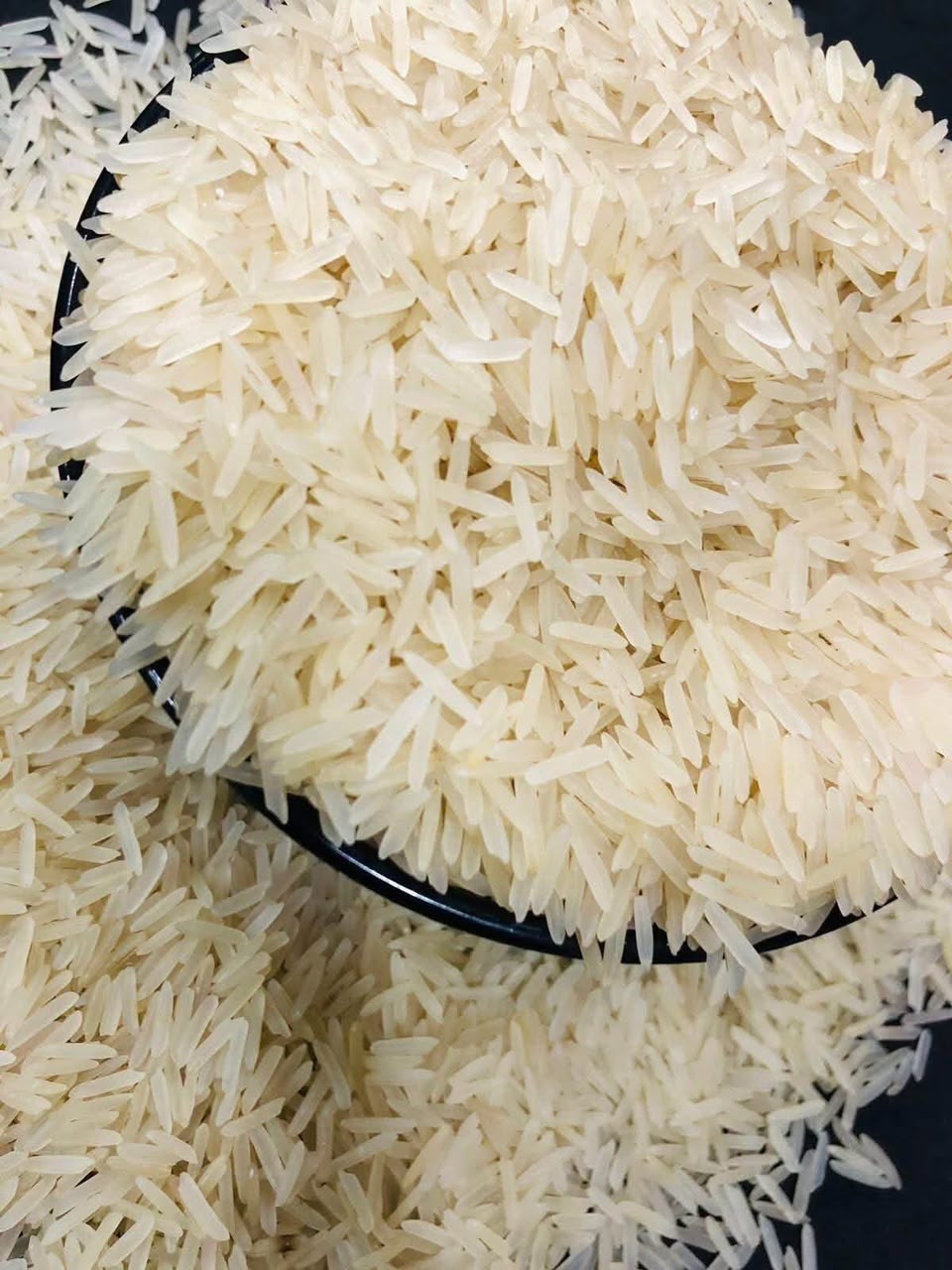
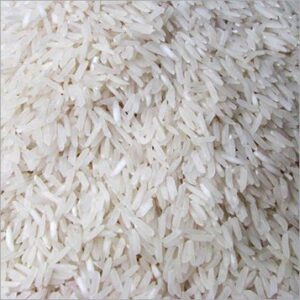
Basmati Rice is a long-grain, aromatic rice variety historically grown in the specific agro-climatic regions at the Himalayas’ foothills in the Indian subcontinent (primarily India and Pakistan). Known as the “King of Rice,” it is prized globally for its distinct fragrance, delicate flavor, and unique cooking characteristics.
Key Profile & Characteristics
-
Aroma: Contains high levels of 2-acetyl-1-pyrroline, the same natural compound that gives pandan leaves and white bread their distinct, warm, nutty fragrance.
-
Elongation: Unlike standard long-grain rice, Basmati grains elongate to more than double their raw length when cooked, without expanding much in thickness.
-
Texture: Grains stay dry, light, and separate after cooking rather than sticking together.
Culinary Uses
-
Traditional Dishes: The foundational grain for traditional South Asian dishes like Biryani, Pulao, and Kheer, as well as Middle Eastern Kabsa.
-
Aging: Premium Basmati is aged for 1 to 2 years before milling, which reduces moisture content, strengthens the grain against breaking during cooking, and intensifies its flavor and aroma.
Nutrition & Health Benefits
-
Lower Glycemic Index (GI): Basmati generally has a low to medium GI (around 50 to 58) compared to standard white rice, leading to a slower release of blood sugar.
-
Easy Digestion: High in amylose starch, which helps the grains maintain their structure while making them easier on the digestive system.
-
Whole Grain Option: Brown Basmati retains the bran layer, offering significantly higher dietary fiber, vitamins, and minerals.
Reviews
There are no reviews yet.